
What is Energy Poverty?
Energy or fuel poverty issue constitutes a global challenge. In Europe, more than 50 million people were affected by energy poverty, while other sources claim that the numbers are much higher. Energy poverty has a different definition in developed and developing countries. For developing countries, studies report that approximately 2 billion people around the world do not have access to reliable and modern energy services.
The increase in energy prices, inadequate housing quality and low incomes result in the phenomenon of energy poverty. When the above is not in balance, energy poverty households are created.
Energy poverty in Greece
In Greece, by 2023, over 19% of households will not be able to have adequate and satisfactory heating in their homes.
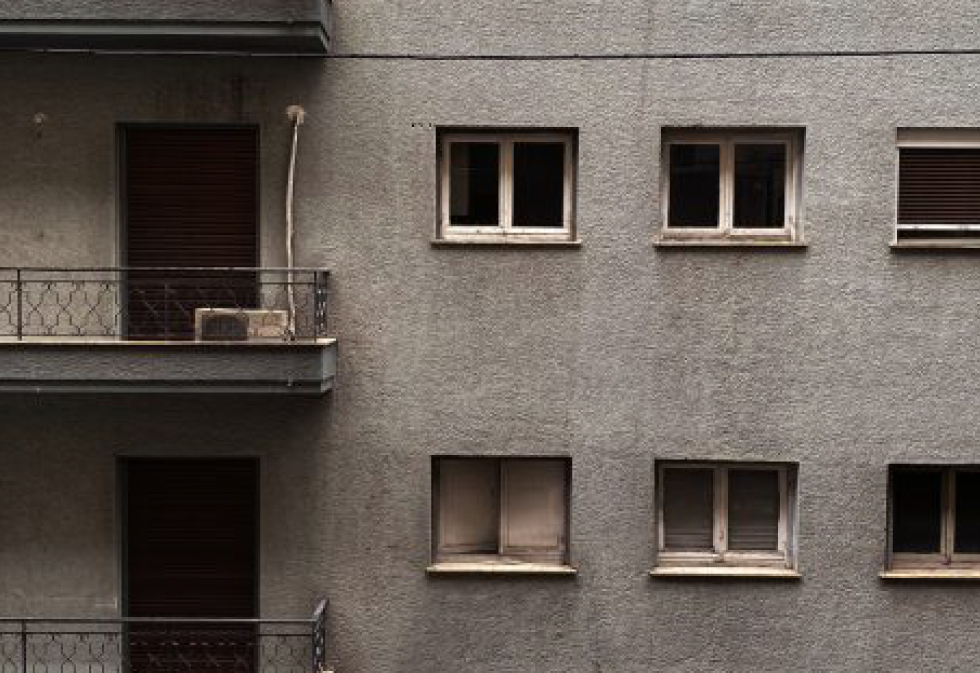
In Greece, by 2023, over 19% of households will not be able to have adequate and satisfactory heating in their homes. Energy costs are more burdensome for households where members live below the poverty line.
A number of diseases such as cardiovascular diseases, respiratory diseases, colds and flu, arthritis and rheumatism, psychological and psychosocial problems are related to increased rates of energy poverty.
There is a relationship between energy poverty and health. If individuals do not have the ability to achieve warm or cool housing and live in a cold or excessively hot home, then this is devastating for health.
Essentially, most of what is written about illnesses due to cold or prolonged heatwaves is a description of energy poverty.
